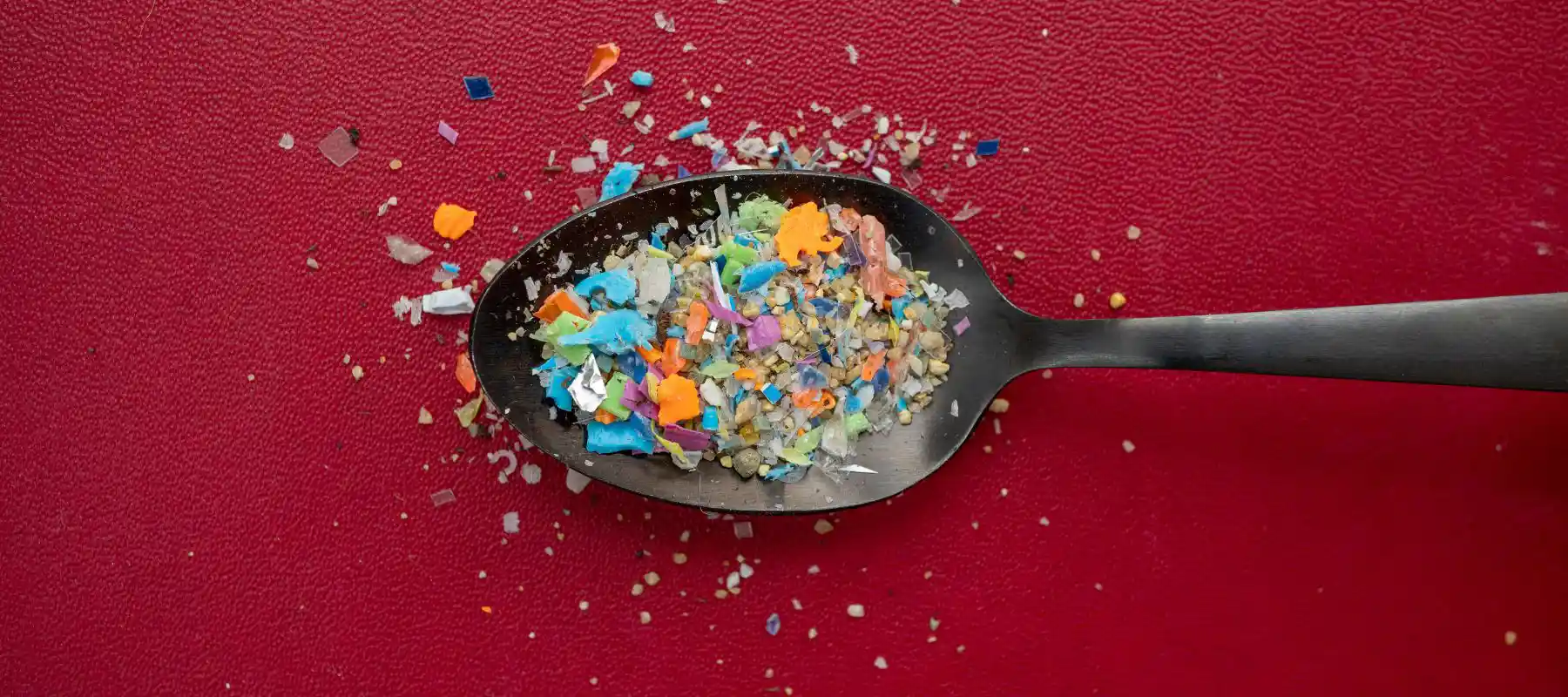
Microplastics
What Are Microplastics?
Microplastics primarily come from two sources: primary microplastics (microscopic plastic particles manufactured for use in cosmetics, clothing, and textiles) and secondary microplastics (fragments that break down from larger plastic waste like water bottles, bags, and synthetic materials). These contaminants enter municipal water supplies through stormwater runoff and waste management issues.
To safeguard your home, a specialized water filtration system for microplastics, such as the Kinetico K5® Drinking Water Station with VOC Guard, is one of the most effective ways to intercept and remove these microscopic particles before they reach your tap. The K5 with VOC Guard is certified by the Water Quality Association (WQA) to NSF/ANSI 58 for PFOS/PFOA reduction.
What Are the Main Sources of Microplastics in Water?
After spending a day in the hot Arizona sun, you can enjoy a refreshing glass of water at home. However, Phoenix tap water may contain impurities that lower its overall quality. Among these modern contaminants, microplastics are an increasingly common pollutant entering the nation’s waterways and, ultimately, your household drinking water.
As their name suggests, microplastics are tiny pieces of plastic that measure less than five millimeters in length. These pollutants enter our water infrastructure through poor industrial waste management, everyday littering, and stormwater runoff. To understand how they end up in your glass, it helps to break down the two primary types:
Primary and Secondary Microplastics
Primary microplastics are microscopic particles manufactured for products such as cosmetics and synthetic textiles. Secondary microplastics form from the physical breakdown of larger plastic items, such as disposable water bottles, toys, and grocery bags, which deteriorate over time when exposed to sunlight and environmental wear.
At AquaZona, our team is here to help prevent this issue from impacting your home. With an efficient microplastic water filter, you can help your family enjoy clean, refreshing, and dependable drinking water.


What Are The Effects Of Microplastics On Human Health?
Apart from showing up in local water sources, plastic particles have made their way into many things humans consume daily, including certain agricultural products and seafood.
While the long-term impact of these particles on human health remains an area of ongoing scientific study, research has linked exposure to microplastics to concerns including oxidative stress, cellular damage, allergic reactions, metabolic issues, and endocrine disruption.
The bottom line is that synthetic plastic particles are not meant for human consumption. AquaZona offers advanced residential water treatment solutions, including the K5® Drinking Water Station with VOC Guard, designed to reduce a wide range of common contaminants.
Choosing The Right Water Filtration System For Microplastics
Standard refrigerator filters or basic pour-through pitchers often lack the advanced technology needed to trap particles as small as a fraction of a micron. To better protect your home’s drinking water, you need a dedicated water filtration system for microplastics. AquaZona offers a premium line of Kinetico water filters engineered specifically to trap microscopic impurities before they ever leave your tap.
How The Kinetico K5® Drinking Water Station Protects Your Tap
Our strongest defense against microscopic plastic pollution is the Kinetico K5® Drinking Water Station with VOC Guard. The K5 is customizable to your home’s specific water profile and uses a multi-stage filtration process to intercept impurities. Water first passes through a high-capacity sediment pre-filter to remove larger particulate matter, then through a specialized, semipermeable reverse osmosis membrane that efficiently captures and rejects microscopic contaminants. Finally, the system can be configured with optional auxiliary cartridges to simultaneously target VOCs, viruses, and chloramine from your supply.
Known as one of the most dependable options on the market today, the K5 provides a strong barrier against modern tap water pollutants.
Get Rid Of Microplastics In Your Water Today
At AquaZona, we understand the importance of having confidence in your drinking water. That’s why every Kinetico K5® Drinking Water Station installed by AquaZona includes a VOC Guard, pairing advanced reverse osmosis technology with enhanced filtration for added confidence in every glass.
Frequently Asked Questions About Microplastics in Water
Can a Regular Carbon Filter Remove Microplastics?
While some high-quality solid carbon block filters can reduce larger plastic particles, standard carbon pitchers and basic refrigerator filters are generally insufficient. A comprehensive water filtration system for microplastics that utilizes multi-stage reverse osmosis technology remains the industry standard for effective reduction.
How Do Microplastics Get Into Municipal Tap Water?
Microplastics enter municipal water systems through urban stormwater runoff, agricultural drainage, and wastewater discharge containing synthetic clothing fibers. Because these particles are so small, conventional city treatment plants cannot always remove them all.
Does Boiling Water Get Rid of Microplastics?
No, boiling water will not eliminate or destroy microplastics. Because plastic does not evaporate like water, boiling will only further concentrate the particles. The only definitive way to reduce them from your drinking supply is through mechanical filtration, such as a specialized microplastic water filter.
More Common Water Problems

Bad Water Taste Or Smell
Cost Of Bottled Water vs. Filtered Water
Damaged Laundry
Destroyed Appliances
Dry Skin/Hair
Forever Chemicals (PFAS)
Hard Water
Heavy Metals